
Keynote Speakers
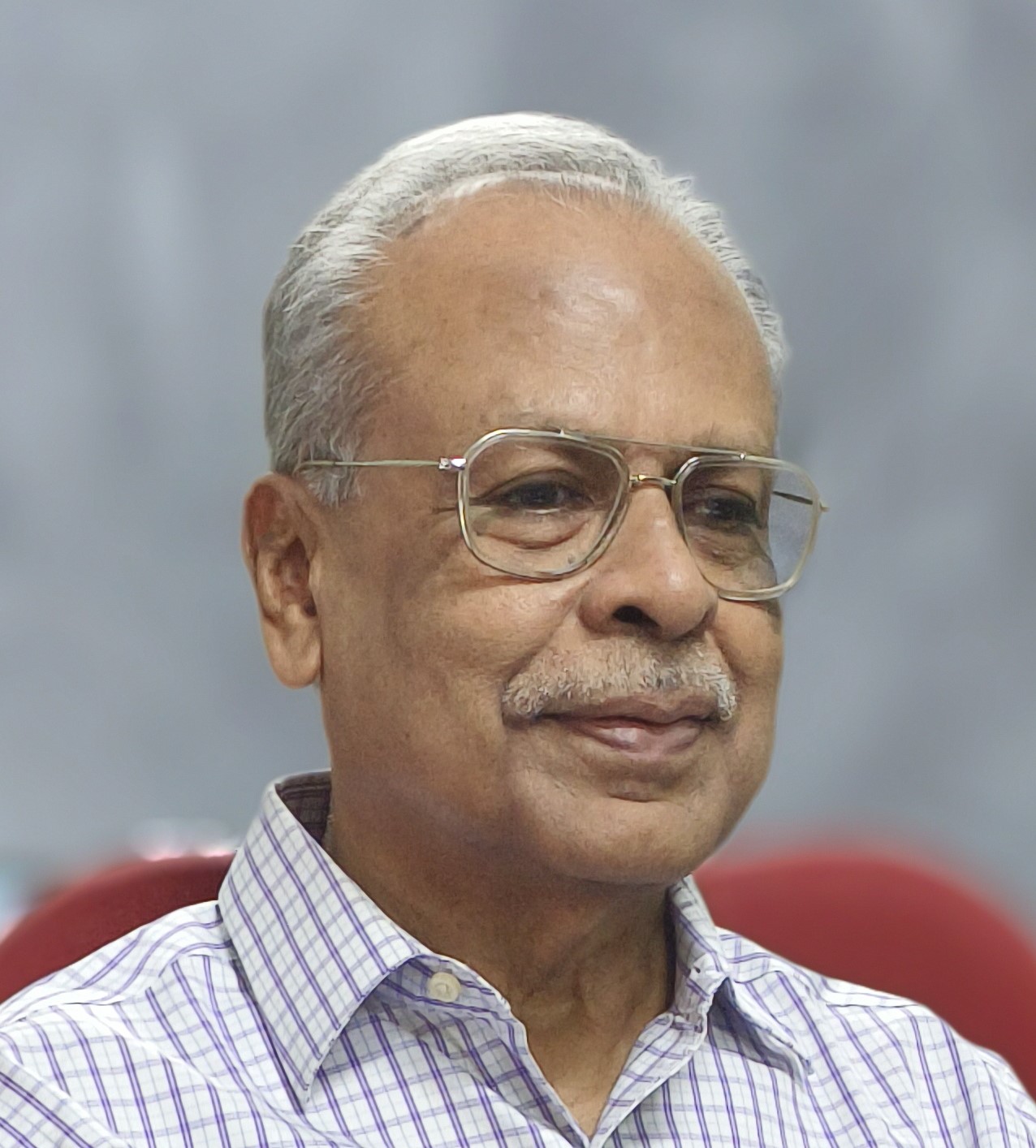
Prof. M. Lakshmanan
Professor of Eminence and DST-ANRF National Science Chair
Department of Nonlinear Dynamics
School of Physics, Bharathidasan University, Tiruchirappalli, India
Title of the Talk
Networks and Dynamics in Nonlinear Systems
Abstract
I will aim to present a brief overview of the following topics and contributions from the Indian context as well as my own group. ➢ Network of Fermi-Pasta-Ulam anharmonic lattice and the emergence of concepts of solitons and Hamiltonian chaos. ➢ Bifurcations and chaos in dissipative oscillators and collective dynamical states in coupled oscillator networks. ➢ Neuronal dynamics and artificial neural networks. ➢ Coupled nonlinear circuits and cellular neural networks. I will consider typical examples in each of the above four cases.
Biodata
Professor M. Lakshmanan is a leading researcher at the international level in the area of Nonlinear Dynamics with special reference to Solitons, Nonlinear Evolution Equations and Chaos. He has published over 550 research papers and several books on Nonlinear Dynamics/Theoretical Physics with a Google Scholar citation of over 20,250 and a H-index of 72. He received his Ph.D. from University of Madras (1974) under the mentorship of Prof. P.M. Mathews, did Post-doctoral work in Germany & Holland and joined the Autonomous P.G. Centre of University of Madras, now Bharathidasan University, at Tiruchirappalli in 1978 as a Reader in Physics and then promoted as Professor in 1982 where he now works as a Professor of Eminence & holds a DST-ANRF National Science Chair. He has guided over 34 students for their Ph.D. degrees and is currently supervising 4 Ph.D. students and several Post-doctoral Fellows. Professor Lakshmanan has received some of the highest awards in India, including S. S. Bhatnagar Prize in Physical Sciences, U.G.C. Hari Om Trust Meghnad Saha Award in Theoretical Sciences, Goyal Prize in Physics, R.D. Birla Award of Indian Physical Society, SASTRA – G.N. Ramachandran Award in Physics, Dr. A.P.J. Abdul Kalam Award and Vigyan Shri in Physics (2024). He has also been selected to receive the prestigious Lagrange Award in Nonlinear Physical Science in Brazil by the Nonlinear Science & Complexity Society (2025). Prof. Lakshmanan has been a recipient of several prestigious international fellowships, like Humboldt, JSPC, etc., and a member of Editorial Boards of several prestigious Theoretical Physics Journals, including the Proceedings of Royal Society of London A (2006 - 2012), and in Physical Review E from Jan.2023 onwards. Prof. Lakshmanan is a Fellow of all the three Academies of Science of India and an elected Foreign Member of the Royal Academy of Sciences, Uppsala, Sweden. He is also an elected Fellow of the Academy of Sciences of the Developing Countries (FTWAS).
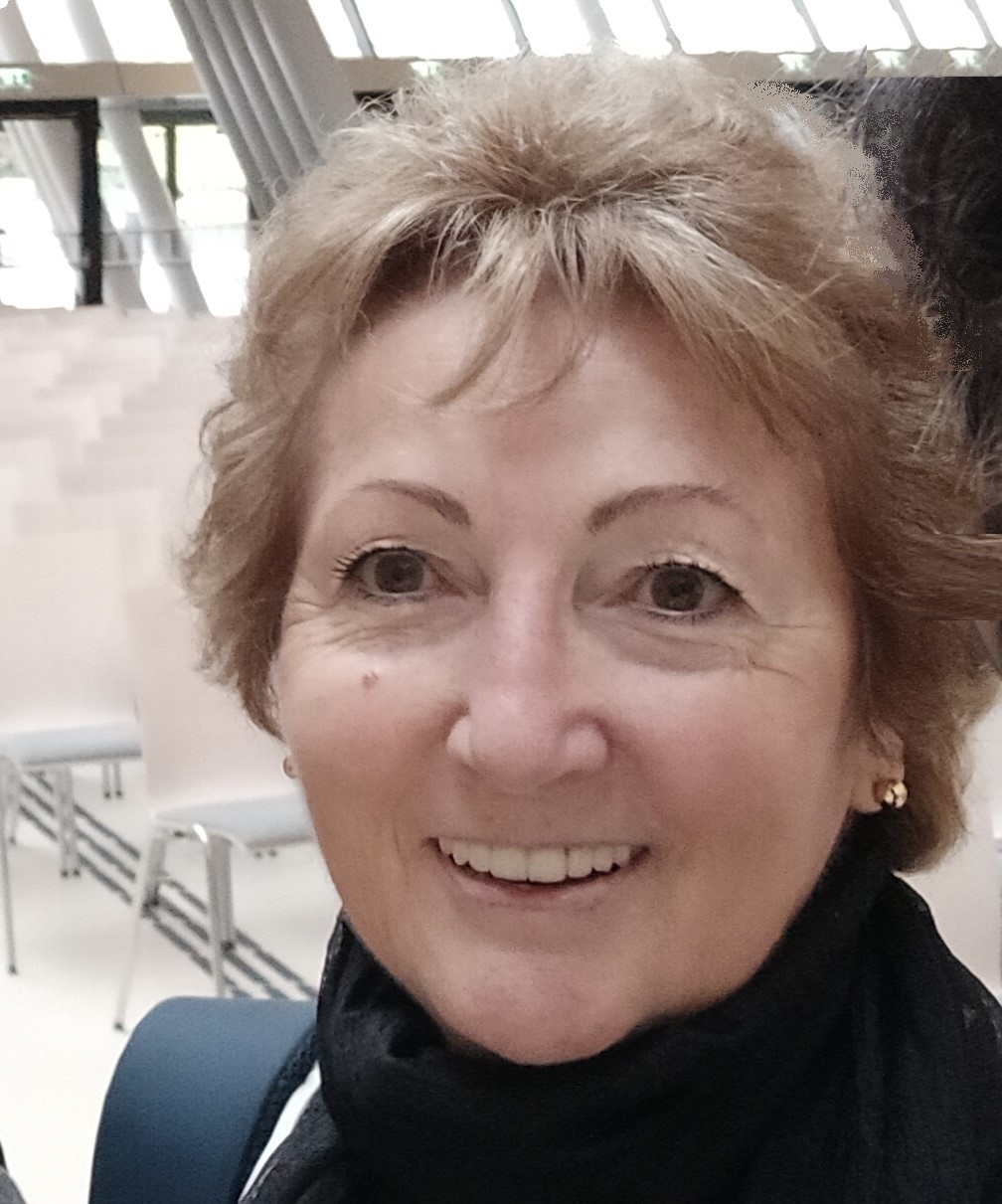
Prof. Laura Gardini
Professor
Department DESP
University of Urbino Carlo Bo, Urbino, Italy
and
Department of Finance
VSB-Technical University of Ostrava, Ostrava, Czech Republic
Title of the Talk
New kind of attractors in discontinuous piecewise linear maps
Biodata
Prof. Laura Gardini is an Emeritus Professor at the Department of Economics, Society and Politics (DESP) at the University of Urbino, Italy, where she served as Full Professor of Mathematics for Economics from November 1994 to November 2022. She is currently Co-Editor-in-Chief of the International Journal of Mathematics and Computers in Simulation (MATCOM), a Q1 journal in applied mathematics, and serves as Associate Editor for both Communications in Nonlinear Science and Numerical Simulations and the Journal of Difference Equations and Applications. Prof. Gardini is a leading figure in the international community of dynamical systems and difference equations, holding positions on the Scientific Board of the International Society of Difference Equations (ISDE) since 2019 and on the Scientific Committee of the European Conference on Iteration Theory since 1996, where she was elected Chief in 2018. She was also a member of the Scientific Committee of the Italian Society of Chaos and Complexity (SICC) from 2010 to 2022. Her research focuses on discrete dynamical systems, particularly the global dynamics and bifurcation structures of noninvertible maps, with applications to economics, finance, biology, and social sciences. Her contributions include foundational work on the dynamics of smooth, piecewise-smooth, and discontinuous systems, exploring phenomena such as homoclinic and contact bifurcations, border collision bifurcations, and chaos synchronization. She has authored or co-authored over 250 international publications and several influential books, including Chaotic Dynamics in Two-Dimensional Noninvertible Maps (1996), Chaos in Discrete Dynamical Systems (1997), and Continuous and Discontinuous Piecewise-Smooth One-Dimensional Maps (2019). In addition, she has co-edited numerous Springer volumes and special issues in leading journals such as Chaos, Nonlinear Dynamics, and Journal of Economic Interaction and Coordination.
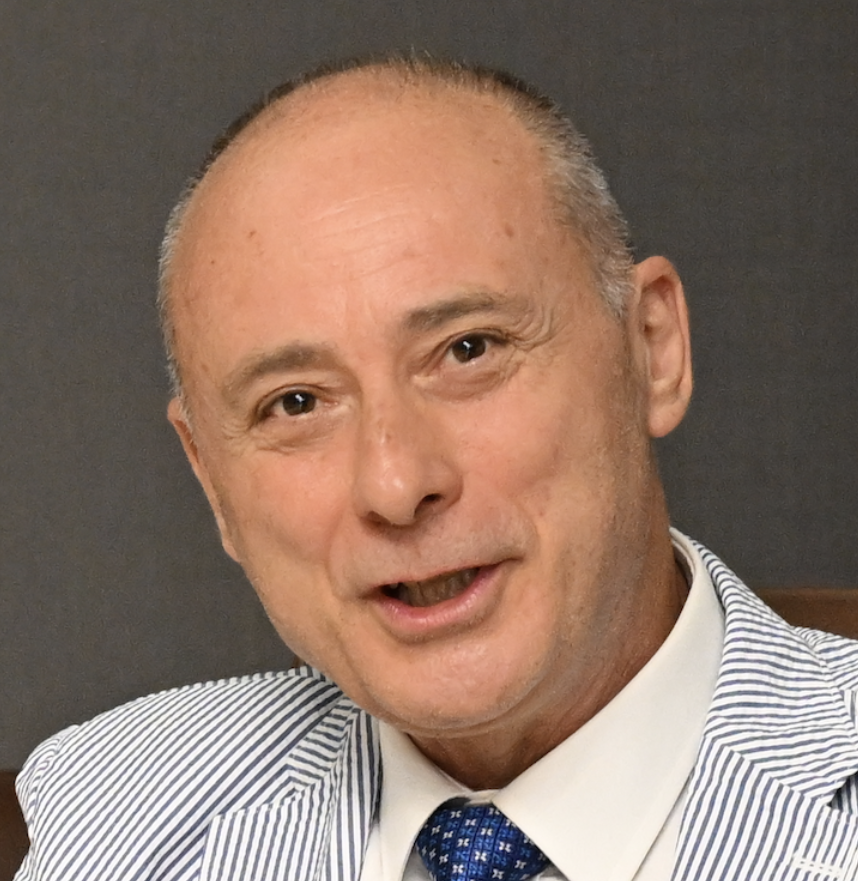
Prof. Lamberto Rondoni
Professor
Department of Mathematical Sciences
Politecnico di Torino, Italy,
Title of the Talk
Large deviations and climate evolution
Abstract
While the warming trends of Earth’s mean temperature are evident at climatological scales, the local temperature at shorter time scales are highly fluctuating. Here we show that the probabilities of such fluctuations are characterized by a special symmetry typical of small systems out of equilibrium. Their nearly universal properties are linked to the fluctuation theorem and reveal that the progressive warming is accompanied by growing asymmetry of temperature distributions. These statistics allow us to project the global temperature variability in the near future, in line with predictions from climate models, providing original insight about future extremes.
Biodata
Lamberto Rondoni got masters in nuclear engineering from the University of Bologna (Italy), masters in Physics, master in Mathematics and PhD in mathematical physics from the Virginia Polytechnic Institute (USA). He held academic positions in the USA, Australia and Italy, where he is now full professor at Politecnico di Torino and Contract Professor at University of Torino. He leads research projects at the Italian Institute of Nuclear Physics. He is in the scientific board of Scienza Nuova, an interdisciplinary institution investigating the digital transition and the advent of artificial intelligence, combining science and humanities. Lamberto Rondoni’s scientific production includes several books and various papers in international journals. The subjects of interest in his activity are statistical mechanics, both applications and foundations, and range from analysis of EEG to cosmological problems; from nanotechnology, chemical reactions and pattern formation, to anomalous transport; with applications in industry and artificial intelligence. His main contributions refer to the symmetries of Hamiltonian many particle systems in presence of magnetic fields; large fluctuations of mass density and of heat flows in low dimensional systems, for which anomalous heat transport has been experimentally confirmed in nanotechnological devices. He has found universality classes in anomalous transport. He has developed a nonequilibrium statistical mechanical framework for the cosmic microwave background, and has further worked on the detection of gravitational waves. He has developed novel ergodic notions, suitable to make exact the theory of response to perturbations that is commonly adopted for dynamical systems and stochastic processes. This theory has applications beyond molecular dynamics, for instance in machine learning. He has developed an original method to analyze signals with a poor signal to noise ratio as well as a method to profit from scarce statistical data, using highly sensitive variables. Recently, he has grown interest on biological problems; he has devised models for the motility and the thermo-hydrodynamics of active particles, and has co-authored a paper within Anna Erzberger’s group on kinetics of cells sorting. List of publications in https://iris.polito.it/cris/rp/rp04367
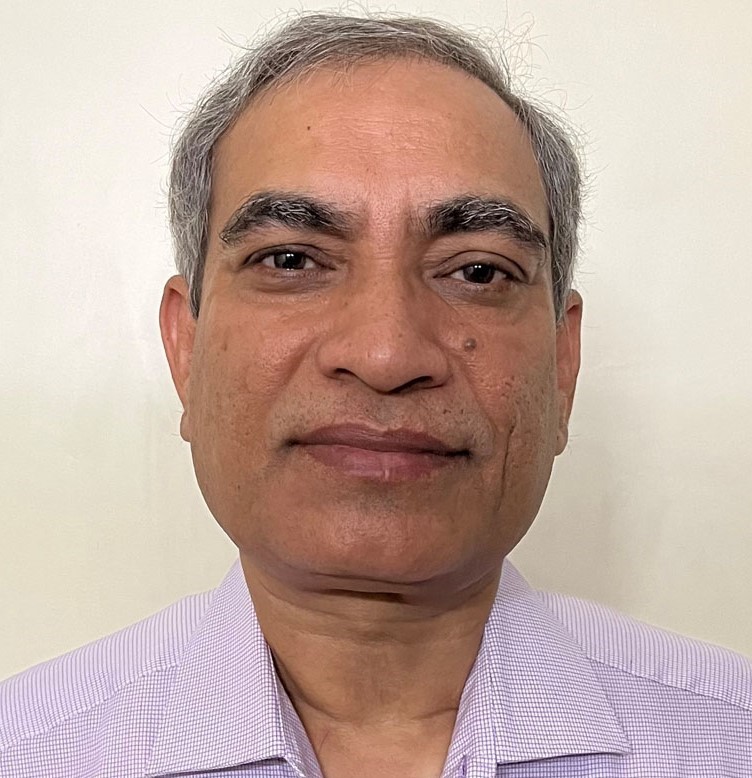
Prof. Satyavir Singh
Professor 'G'
Indian Institute of Geomagnetism
Navi Mumbai-410218, Maharashtra, India
Title of the Talk
Electrostatic solitary waves in the Earth and planetary environment
Abstract
Electrostatic solitary waves (ESWs) are observed frequently in space plasmas, e.g., planetary magnetospheres, solar wind, Lunar wake etc. It was shown for the first time by Geotail spacecraft that the broadband electrostatic noise (BEN) observed in the plasma sheet boundary layer was composed of a series of bipolar pulses of ESWs. Thereafter, the presence of ESWs was reported in the Earth’s magnetosheath, at the magnetopause, in the plasma sheet and polar cap boundary layers, on the auroral field lines, in outer radiation belts, reconnection regions, solar wind plasma and in the shock regions. The characteristics and generation of these ESWs also depends on the composition of plasma and magnetic field. These ESWs can contribute to acceleration of the charged particle and may also be responsible for out flow of the ions (in Martian environment). The properties of these ESWs will be examined in the different plasma environment and their contributions to some of the physical processes.
Biodata
Prof. Satyavir Singh received the Ph.D. degree in theoretical plasma physics from the Indian Institute of Technology Delhi, New Delhi, India, in 1995. He was a Postdoctoral Fellow with the University of Durban-Westville, Durban, South Africa (1995–1996). He has been a Visiting Scientist at the University of Durban–Westville; M. L. Sultan Technikon, Durban; the University of the Witwatersrand, Johannesburg, South Africa; and the University of the Western Cape, Bellville, South Africa, Bulgarian Academy of Sciences and Kyoto University, Japan. He is currently working as Professor G at Indian Institute of Geomagnetism, Navi Mumbai, India. He has published more than 100 research articles in international journals and conference proceedings in the field of ionospheric, dusty, and magnetospheric plasmas. His main area of research is the study of linear and nonlinear waves in the Earth’s magnetosphere, solar wind and dusty plasmas. He has given more than 30 invited talks at national and international conferences. He is Fellow of Indian Geophysical Union and Member of Plasma Science society of India, International Union of Radio Science (URSI), The Indian Radio Science Society (InRaSS), Division of Plasma Physics, Association of Asia Pacific Physical Societies (AAPPS-DPP).
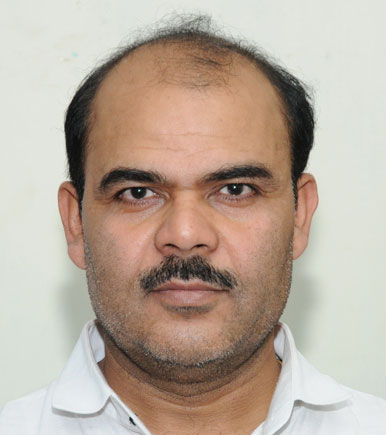
Prof. Ranjit Kumar Upadhyay, FNASc
Professor
Department of Mathematics & Computing
Indian Institute of Technology (Indian School of Mines), Dhanbad, India
Title of the Talk
Unravelling Double Trouble: Using Mathematical Models to Tackle Ecological Challenges and Neurological Disorders
Abstract
Mathematical models are increasingly applied to address complex challenges in ecology and brain for understanding complexity in both ecological and neurological systems. This talk explores their intersection-how similar modeling principles can illuminate the dynamics. We will address the questions like Why is chaos rarely observed in natural populations? How do ecosystems respond to external perturbations? What mechanisms underlie the emergence of different patterns (Turing, spiking, and bursting) in networked and non-network models? In Neuroscience, models help uncovering hidden dynamics of neural networks, illuminating information processing, synchronization, and oscillatory behaviour in brain circuits. Models of calcium dynamics and neuron-astrocyte interactions, in particular, provide mechanistic insights into neuronal disorders like Alzheimer’s disease, where disrupted signalling, network desynchronization, and pattern breakdown drive cognitive decline. Such models deepen our understanding of disease mechanisms and support the identification of potential therapeutic strategies. In ecology, models capture biodiversity, species interactions, and self-organized pattern formation, offering predictive insights into the effects of climate change and anthropogenic pressures. We further compare spatial pattern formation in networked and non-network settings, demonstrating how different network topologies-lattice (LA), Barabási-Albert (BA), and Watts–Strogatz (WS) networks-influence pattern stability, node density distributions, and system resilience. These findings highlight how network structure governs collective dynamics and spatial organization in both ecological and neural systems. Finally, we discuss how integrating ecological and neurological modeling provides a unified framework for addressing global challenges - revealing how environmental stressors affect brain health and how coupled systems can be studied through a common mathematical lens. This interdisciplinary approach helps researchers confront the “double trouble” of understanding the interconnected dynamics of ecosystems and neural systems in the context of health and sustainability.
Biodata
Dr. Ranjit Kumar Upadhyay is a Professor (HAG) in the Department of Mathematics & Computing, Indian Institute of Technology (Indian School of Mines), Dhanbad, India. He is an acknowledged researcher and has contributed in various areas of Applied Mathematics, Mathematical modeling and Nonlinear Dynamics. His research areas are interdisciplinary in nature like dynamical systems theory; chaotic dynamics of real-world situations; population dynamics; spatial dynamics and pattern formations in biological populations, e-epidemic and neural models; and reaction-diffusion modeling. He has published 220 research papers in different International Journals of repute and a number of these publications are with international collaborators. He has supervised 15 students for their Ph.D. Currently, 6 students are working under his guidance for their Ph.D. degree. He has handled a number of sponsored R&D projects. He is the co-author of the text Book titled “Introduction to Mathematical Modeling and Chaotic Dynamics” & “Spatial dynamics and Pattern formations in biological populations” published by Taylor & Francis group (CRC Press, USA). He is an Editor-in Chief of the Journal of Innovation Science & Sustainable Technologies and subject editor of for National Academy Science Letters and on the Editorial Board for many reputed Journals. He is an Associate Editor of the Elsevier Journal “Food Webs” and Springer Journal “Advances in Difference Equations” and “Differential Equations and Dynamical Systems”. He is a Guest Editor of a Special Issue entitled “Nonlinear Models in Biosignaling, Biosensor and Neural Systems – Modeling, Simulations, and Applications” being brought out by the Springer Journals “Differential Equations and Dynamical Systems”. He was a visiting research fellow under the Indo-Hungarian Educational exchange program in Eötvös University, Budapest, Hungary. He was a visiting scientist and delivered invited lectures in many renowned institutions like University of Cambridge; University of Leicester, UK; University of Le Havre Normandie, France. He is a member of the International Society of Computational Ecology, Hong Kong.
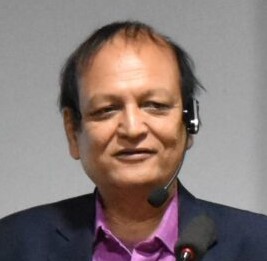
Prof. Prasanta Chatterjee
Professor
Department of Mathematics
Siksha-Bhavana, Visva-Bharati, Santiniketan, India
Title of the Talk
Analysis of Nonlinear Wave Patterns of Some Nonlinear Partial Differential Equations and Applications
Abstract
A comprehensive analytical investigation of nonlinear wave structures, including multi-soliton solutions, lump solitons, breather solutions, and fractals, arising in various nonlinear partial differential equations (PDEs) is presented. Using the Hirota bilinear method, exact solutions are derived that characterize diverse nonlinear phenomena encountered in fluid dynamics, plasma physics, and nonlinear optics. The method systematically transforms complex nonlinear PDEs into bilinear forms, enabling the construction of multi-soliton solutions through perturbative expansions. By selecting appropriate real and complex parameters within the bilinear framework, lump-type rational solutions localized in all spatial directions, as well as breather-type oscillatory wave packets, are obtained. The interactions among these waveforms are further examined, revealing the underlying structures and dynamical behaviors governed by the nonlinear systems under study. Moreover, a systematic and direct approach is developed to demonstrate the emergence of fractal structures in a coupled nonlinear PDE using the Hirota technique. When breather solutions in each component of the coupled system interact within a confined region, both amplitude and horizontal velocity exhibit abrupt transitions. Repeated iterations of this process generate fractal, fork-like structures. These findings deepen the understanding of the rich variety of coherent structures in nonlinear wave phenomena and highlight the versatility and effectiveness of the Hirota bilinear method for analyzing integrable and partially integrable PDEs.
Biodata
Prof. Chatterjee has made significant contributions on nonlinear waves, wave interactions, wave turbulence, soliton to shock transaction, solitons in nonplanar geometry, dressed solitons, quasiperiodicity and chaos in plasmas. To classify the existence of different types of nonlinear waves, Prof. Chatterjee has first introduced the idea of using bifurcation theory of planar dynamical systems in plasmas. Later he has extended this work to study quasiperiodicity and chaos in both classical and quantum plasmas. In general, most of the investigators have studied nonlinear waves in plasmas by framing the evolution equations. But after framing the evolution equations, Prof. Chatterjee and his collaborators have converted them into dynamical systems and studied several nonlinear structures including quasiperiodicity, chaos, hyperchaos and quasiperiodic route to chaos which are his main contributions to the field of plasma dynamics. Waves and wave interaction is also a fascinating research area in plasma and Prof. Chatterjee has also introduced some new ideas in this area. While obtaining higher order correction to solitons, Prof. Chatterjee introduced a new technique (series solution similar to tanh method) by which huge calculations became short and handy. He also rigorously studied the effect of dust-ion collision and presence of externally applied forces on the shape and size of the solitons. He studied solitons and shocks and their collisions (head-on collision, over taking collision and oblique collision) in planer, cylindrical and spherical geometry. Speed, shape and break of solitons, large amplitude solitons and double layers, effect of dust-ion collisions and externally applied forces on amplitude, width. He is the one who initiated soliton turbulence and the first to study in three-soliton interactions in plasma. He also initiated soliton turbulence in case of head on collisions of four solitons in plasma. The plasma models are chosen from classical plasma, dusty plasma, quantum plasma and even quantum semiconductor plasma and his research has a role in laboratory, space and astrophysical environment.
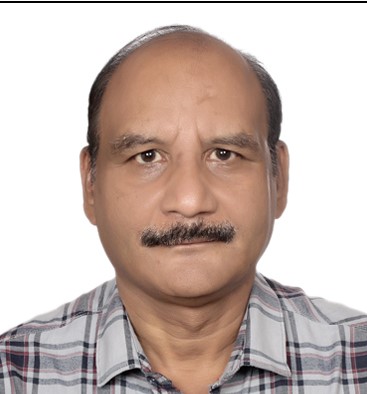
Prof. Arvind Kumar Misra
Professor
Department of Mathematics
Institute of Science, Banaras Hindu University, Varanasi, India
Title of the Talk
Modeling the dynamics of atmospheric carbon dioxide and its control strategies
Abstract
The impact of human activities, particularly since the Industrial Revolution, has significantly increased the emission of greenhouse gases, primarily carbon dioxide (CO₂). The accumulation of CO₂ in the atmosphere traps infrared radiation emitted from the Earth's surface after sunlight absorption, leading to global warming. This ongoing rise in average surface temperatures is driving drastic changes in the climate, which in turn is affecting human populations through increased incidences of vector-borne diseases, pollution, floods, droughts, rising sea levels, and food and water insecurity. To mitigate the impacts of climate change, reducing carbon dioxide emissions is crucial. This can be achieved through various mitigation strategies across sectors such as energy and development. Mathematical modeling can offer valuable insights into the effects of various factors and mitigation strategies on the dynamics of CO₂. In this lecture, firstly a nonlinear mathematical model is proposed and analyzed to assess the effect of population pressure on atmospheric carbon dioxide dynamics. The model assumes that CO₂ levels increase both naturally and through anthropogenic emissions, while also depleting naturally and through uptake by forestry biomass. It is further assumed that both the human population and forestry biomass follow logistic growth patterns. Population pressure specifically reduces the carrying capacity of forestry biomass. Analytical findings reveal that when the rate of deforestation due to human population pressure exceeds a critical threshold, the system becomes unstable, resulting in oscillations through Hopf bifurcation. This study highlights the significant impact of increasing population pressure on atmospheric CO₂ levels. Currently, governments at both national and international levels use fiscal policies to either discourage carbon dioxide emissions or promote carbon mitigation. With this in mind, we formlate and analyze a mathematical model to examine a strategy for maintaining atmospheric CO₂ levels while pursuing development activities. The proposed strategy involves clearing an area larger than required during land acquisition and planting leafy trees on the excess land to compensate for the reduced absorption of CO₂. Numerical simulations provide insights into the proportion of cleared land that should be used for tree planting to maintain the CO₂ levels in the atmosphere. In line with naturally maintaining atmospheric CO₂ levels, the intensive use of renewable energy could also help reduce emissions from energy production. To explore this further, we formlate and analyze a mathematical model to analyze the impact of renewable energy deployment on the mitigation of atmospheric CO₂. The model assumes that CO₂ levels rise due to human activities and traditional energy production, with the human population's dependence on traditional energy shifting toward renewable sources as CO₂ levels increase. The model analysis reveals a condition under which the equilibrium level of CO₂ can be reduced through sufficient deployment of renewable energy sources.
Biodata
Professor Misra has made remarkable contributions to the field of mathematical sciences, earning a place in the prestigious list of the World’s Top 2% Scientists published by Stanford University, USA. His research interest includes mathematical modeling of environmental and ecological systems, epidemics, social dynamics, agricultural systems, delay differential equations, and spatio-temporal modeling. In recognition of his excellence in mathematical modelling, he was awarded the JBS Gold Medal in 2018 by IAMMAS as the best mathematical modeler in India. His editorial leadership extends to several renowned journals, including Modeling Earth Systems and Environment (Springer), Journal of Applied Mathematics (Wiley), etc.. He serves on executive councils of academic bodies including Dr. R M L Avadh University, Ayodhya, and IAMMS. He is an active member of several professional societies, including the Indian Society of Nonlinear Analysts, Indian Society of Mathematical Modeling and Computer Simulation (ISMMACS), Banaras Mathematical Society, National Academy of Sciences, etc. He has also held the role of Adjunct Scientist at the Bhabha International Institute of Fundamental Research and Development. With a commitment to academic outreach, he delivered over 60 invited and keynote lectures at leading institutions such as IITs, ISI, and various universities and HRDCs across India.
Invited Speakers
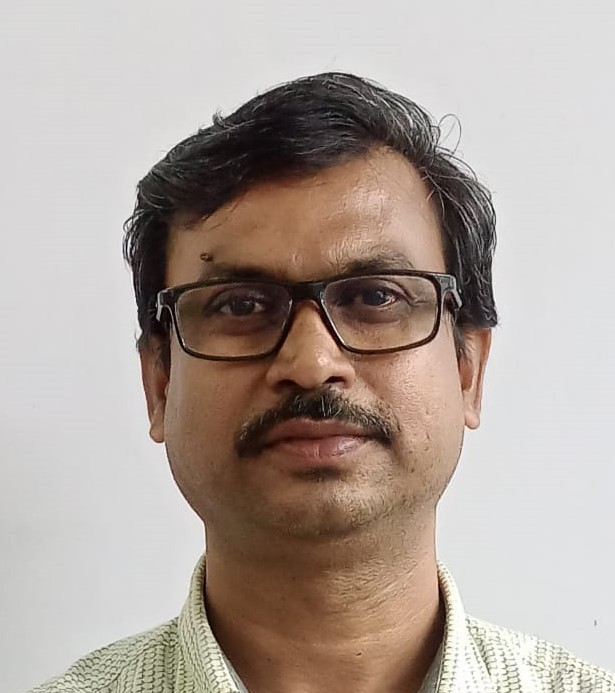
Prof. Kajal Kumar Mondal
Professor
Department of Mathematics
Cooch Behar Panchanan Barma University, West Bengal, India
Title of the Talk
Unraveling Mass Transport Phenomena of Solute in Fluid Flows
Abstract
The transport phenomena of solute in fluid flows have a wide range of applications in the diversified fields of environmental fluid dynamics, biomedical engineering, chemical engineering and physiological fluid dynamics. Researchers have extensively studied solute transport in magneto-hydrodynamics channel flow, focusing on the applied magnetic field. However, the impact of the induced magnetic field on solute dispersion between two parallel plates remains poorly understood. This investigation has been carried out using Mei’s multi-scale homogenization approach to examine the effects of the Hartmann number, Grashof number and absorption parameter on the multi-dimensional concentration distribution and removal efficiency of a reactive solute in MHD laminar channel flow. Also, with the influence of asymmetric wall temperature and inclined magnetic field under a constant pressure gradient, the transport process of solute is explored in a magneto-hydrodynamics, viscous, incompressible, electrically conducting fluid through a porous channel. The coupled heat and velocity equations are solved to obtain the explicit expressions for the temperature and velocity profiles. The slip velocity has been taken at the lower wall of the channel and the first order boundary absorption is applied at both the channel walls. Aris’s moment method is employed to obtain the first four central moments and the governing time-dependent advection-diffusion equation is solved, using an implicit finite-difference technique. The axial distribution of mean concentration of the solute is determined by the Hermite polynomial representation. The various dispersion characteristics are observed for various parameters, such as the absorption parameter, angle of inclined magnetic field, Prandtl number, Hartmann number, suction Reynolds number, injection Reynolds number , Darcy number, Grashof number, Navier slip parameter, thermal radiation parameter and dispersion time, simultaneously. Also, the two dimensional distribution of mean concentration is obtained analytically. The obtained results from the current study are helpful for purification of crude oil or waste water treatment, to understand the various hemodynamic conditions and for separation of matter from fluids.
Biodata
Dr Kajal Kumar Mondal is a Professor of the Department of Mathematics, Cooch Behar Panchanan Barma University. He worked for his Ph. D. degree at Physics and Applied Mathematics Unit, Indian Statistical Institute, Kolkata and awarded it in 2006. He had been awarded prestigious BOYSCAST (Better Opportunities for Young Scientists in Chosen Areas of Science and Technology) fellowship by the Department of Science and Technology, India in 2008 – 2009 for pursuing Post-Doctoral research work in the School of Mathematics, Statistics and Applied Mathematics, National University of Ireland, Galway, Ireland. He has published 50 research papers in various highly reputed international journals, 18 book chapters (out of them 15 from Springer) and 4 conference proceedings. 5 students have been awarded Ph.D. and other 8 are working for their Ph. D. under his supervision. He has successfully completed two minor research project funded by UGC, India and one major research project funded by Department of Science and Technology & Biotechnology, West Bengal, His present research interests are to find the novel methods to tackle the real world problems in numerical modelling and to study the non-linear phenomena in plasma mechanics.
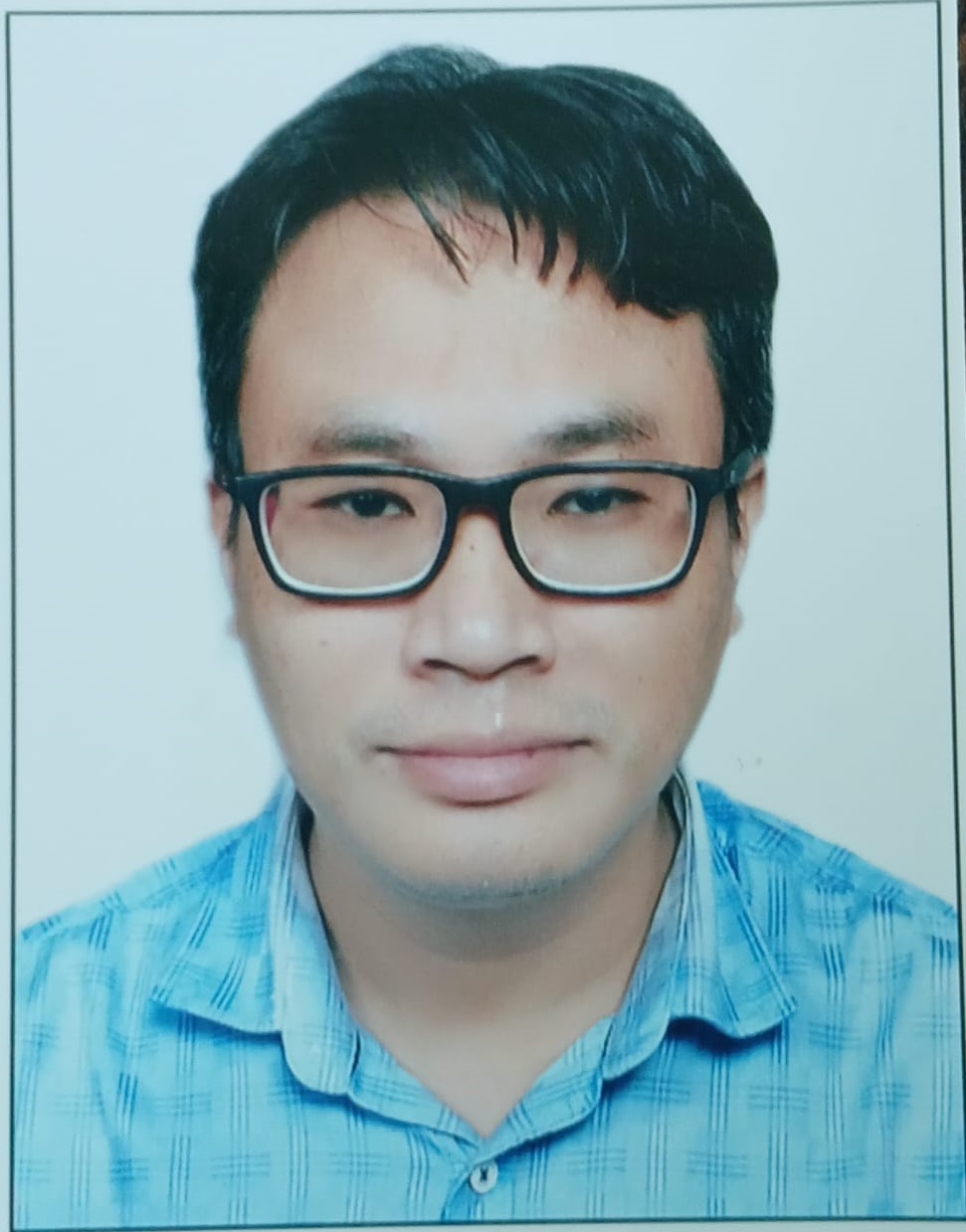
Dr. Lairenlakpam Robindro
Senior Principal Scientist, Head, EV Technology Area
CSIR-Indian Institute of Petroleum (CSIR-IIP)
Dehradun (Ministry of Science and Technology, Govt. of India)
Title of the Talk
Mathematics and Computer Science in Future Electric, Hybrid and Fuel Cell vehicles and their Management on Traffic Roads
Abstract
Mathematics and Computer Science play a pivotal role in shaping the future of Electric, Hybrid, and Fuel Cell Vehicles and their efficient management on modern traffic roads. Mathematical modeling and optimization techniques are essential for vehicle dynamics analysis, battery management systems, energy consumption prediction, adaptive driving strategies and route optimization to enhance efficiency and sustainability. Control theory and numerical methods support advanced powertrain control, regenerative braking, and energy distribution in hybrid and fuel cell systems. Computer Science enables the integration of artificial intelligence, machine learning, and embedded systems for autonomous driving, intelligent traffic management, and vehicle-to-everything (V2X) communication. Algorithms for real-time data processing, sensor fusion, and predictive analytics improve safety, traffic flow, and congestion management. Together, Mathematics and Computer Science provide the foundation for smart sustainable mobility solutions, efficient energy use, enabling cleaner transportation, reduced emissions, optimized traffic operations, and reliable decision-making in next-generation transportation ecosystems.
Biodata
Dr. Robindro is a Scientist in the area of alternative vehicle technologies and renewable energy systems, especially in EV powertrain performance assessment and system integration, EV driving and charging energy studies, vehicle homologation studies, hybrid renewable energy (RE) system and management for Power-to-X technology for green hydrogen application. He obtained B.E. degree with distinction in Electrical & Electronics Engineering from Madurai Kamaraj University in 2000, and holds Ph.D in Electronics & Electrical Engineering from IIT Guwahati. He has 22+ years of research experience in the above research areas plus EV energy management and efficiency studies, EV retrofitment and evaluation process, vehicle dynamics tests, laboratory and real-world vehicle performance evaluations. He executed 10 research projects as Principal Investigator and has been Co-PI, key member in 25+ other research projects. Currently a few projects for 3W vehicles and hybrid RE systems are under progress. He has published several research papers and reviewed 20+ journal & conference papers. He is also a project reviewer for Govt. project proposals submitted by various institutes. He is also an honorary Associate Professor of AcSIR, and a TC member of TED-26, TED-27 of Bureau of Indian Standards (BIS) and Automotive Industry Standards (AIS) for EVs and HEVs. He has delivered 30+ invited talks and keynote speeches in national, international platforms and as well as to the industries such as BHEL R&D and Vector. For a bilateral exchange programme, he delivered an invited talk at Indo-Russia Scientific Webinar on Electric Vehicles Technologies on 22-23 April, 2021 organized by the Embassy of India, Moscow. He delivered invited talks at All India Radio (AIR), Imphal for a morning science programme called ‘Science Magazine’ in Jan. 2017, 2018, 2025 and evening discussion programme ‘Naharolgi Khonjel’ on 6th Dec.2022. He delivered several invited talks for Faculty Development Programmes (FDPs) organized by AICTE, various engineering colleges, NITs, and at conferences. He guided many BTech, MTech students for their project works, and also supervising PhD scholars. He has recently developed and evaluated prototype EV retrofit kits for M1 and L5 category passenger vehicles and a prototype hybrid EV charging system, and an IoT enabled hybrid RE system. Before joining CSIR-IIP in 2006, he worked for 4 years in a private company that dealt with German companies and their vehicle test instruments of vehicle emissions and dynamical tests such as brake, acceleration test, lane change test, etc. During the year 2002-2006, he had opportunities to work with the R&D teams of Maruti Suzuki, Yamaha Motors, Tata Motors, TVS Motors, TVS Tires, Kalyani Brakes, and ARAI. During the period, he also experienced vehicle dynamic testing on proving grounds at VRDE (Ahmednagar) and WABCO (Chennai) test tracks. During 2004-2010, he received specialized trainings on various automotive test systems and vehicle emissions measurement systems in Belgium, Germany and Japan. He was also awarded a research trip to FCLAB (University of Franche-Comte, Belfort, France) about Hydrogen Fuel Cell (FC) technology for vehicle and energy solution, which was funded by French Embassy in India from 19-26 Nov.2022. He was a panelist for the “Indo-German Workshop on Integrated Engineering for Future Mobility” sponsored and organized jointly by DWIH, Germany, CSIR and IIT Delhi from March 20-24, 2023 at IIT Delhi. The workshop was inaugurated by the Ambassador of Germany. He was Programme Director for the workshop-training programmes on ‘Electric Vehicle for Future Urban Mobility-Challenges and Opportunities,” sponsored by Ministry of Road Transport and Highways (MoRTH) for the transport officials from various Indian States and MoRTH officials in March Oct. 2018, Sept. 2019, March 2020, March 2021 and Nov.2022. He was also the Programme & Event Director for the “Two-day Awareness- cum-Workshop Programme on Electric Vehicles, Charging Infrastructure and Renewable Hybrid Energy in North East India” jointly organized by CSIR-IIP, Dehradun & CSIR-NEIST Branch Lab, Imphal, in association with the Transport Dept., Govt. of Manipur on Nov.9-10, 2022 at City Convention Centre, Imphal. The Hon’ble Chief Minister of Manipur inaugurated it, Transport Minister and Chairman, Tourism Cooperation of Manipur attended as Guests of Honour. The technical lectures were delivered by the experts from IIT, NIT, ICAT and CSIR-CMERI and CSIR-CECRI, attended by about 500 people (officials of Transport, Traffic Police, State Power Dept. and students from various colleges). With his initiative, an MoU was signed between CSIR-IIP and Manipur Transport Dept. He was also a project coordinator of country’s scientific study on ‘Stock Loss Estimation of Diesel and Kerosene’ at petrol pumps across 13 Indian cities in 2015. He also led teams to conduct field works for the Stock loss study at Guwahati, Darjeeling, Chennai and Trivendrum in May-June 2015.
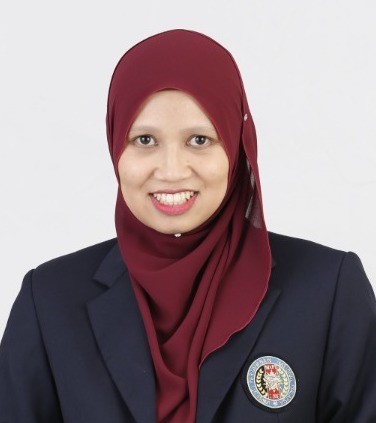
Dr. Nur Aisyah Binti Abdul Fataf
Associate Professor
Department of Knowledge Technology & Security
Cyber Security and Digital Industrial Revolution Centre
Universiti Pertahanan Nasional Malaysia, Kuala Lampur, Malaysia
and
Department of Mathematics, Centre for Defence Foundation Studies,
National Defence University of Malaysia, Malaysia
Title of the Talk
To be updated soon...
Abstract
To be updated soon...
Biodata
Dr. Fataf is a...
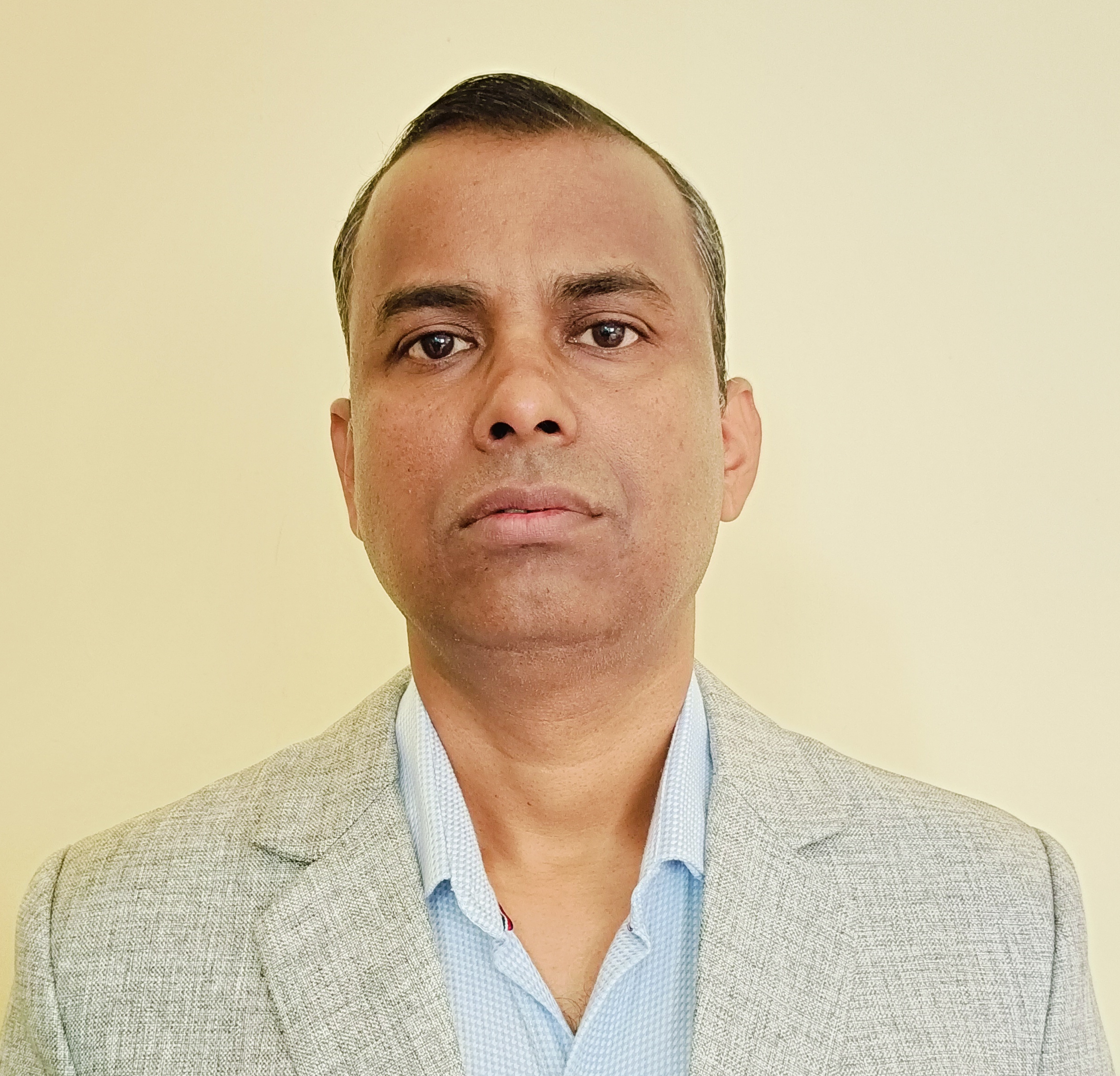
Dr. Biswajit Deb
Associate Professor
Department of Mathematics, BSSRV, Golaghat, Assam, India
Title of the Talk
$P_3$ - Convex Domination: Complexity and its Application in Decision Making Problems in Networks
Abstract
Domination problems constitute a central theme in graph theory, with wide-ranging applications in areas such as decision-making systems and communication networks. In this talk, we introduce the concept of $P_3$-convex domination, which captures significant structural properties arising from paths of length two. The focus of the presentation is the computational complexity of the $P_3$-convex domination problem, along with its linear programming formulations that naturally incorporate convexity constraints.
Biodata
Dr. Biswajit Deb earned an M.Sc. degree from Gauhati University, Guwahati, Assam, India and a Ph.D. degree from IIT Guwahati, India. With over 23 years of teaching and research experience, he currently serves as an Associate Professor in the Department of Mathematics at Birangana Sati Sadhini Rajyik Vishwavidyalaya, Golaghat, Assam, India. Prior to joining Birangana Sati Sadhini Rajyik Vishwavidyalaya, he sereved in Sikkim Manipal University for more than 23 years. His research expertise encompasses linear algebra, graph theory, graph algorithms, spectral graph theory, graph characterization, motion planning in graphs, and domination in graphs. He has more than 20 publications in international journals. Dr. Deb is a life member of the Assam Academy of Mathematics, Assam, India. He has supervised the completion of two Ph.D. degrees and is currently guiding five research scholars.

Dr. R. Sivaraj
Associate Professor
Department of Mathematics
Dr. B R Ambedkar National Institute of Technology, Punjab, India
Title of the Talk
Machine learning algorithms for cavity shape optimization to maximize thermal efficiency
Abstract
Natural convective flow occurs due to the combined effects of thermal expansion and buoyancy. Natural convection finds applications in nuclear reactors, stellar physics, solar ponds, cooling of molten metals, and fluid flows around shrouded heat-dissipation fins. The nanofluids are prepared by suspending the nano-sized particles into base-fluids such as water, ethylene glycol, oil. The nanoparticles are synthesized from metals/oxides/carbides/carbon nanotubes. Nanofluids are very useful in various applications, including heat exchangers, domestic refrigerators, vehicle thermal management, hybrid-powered engines, microelectronics, and pharmaceutical processes. The convective flows of nanofluids in cavities are widely used to analyse the fluid flow and heat transfer in various engineering and industrial situations. Nowadays, the accuracy of the results obtained using CFD techniques has been greatly increased. The impact of all the controlling parameters of the physical problems can be thoroughly analyzed in various combinations, and so the CFD techniques reduce the number of trials to set experiments and get the optimum results, as well as save time, cost, and effort. Further, the development of machine learning algorithms is very useful to highly optimize the cavity shapes and values of various pertinent parameters in the mathematical models to obtain enhanced heat transfer features. Furthermore, the characteristics of various combinations of nanoparticles and base fluids can be effectively examined using machine learning algorithms, and nanofluids with optimum thermophysical properties can be identified for various heat transfer applications. With this motivation, this talk showcases machine learning algorithms for cavity shape optimization to maximize thermal efficiency.
Biodata
Dr R Sivaraj has more than 10 years of teaching and research experience and presently, he is working as an Associate Professor in the Department of Mathematics, Dr. B R Ambedkar National Institute of Technology, Jalandhar, Punjab, India. He worked as a Postdoctoral Fellow in the Department of Mathematics, United Arab Emirates University, United Arab Emirates. He worked at Guangdong University of Technology, Guangzhou, China under a Faculty Exchange Programme. He has received the Royal Society Commonwealth Science Conference Fellow on Grant from Royal Society of London. He has received a Travel Grant form CSIR India to participate in a conference at Turkey. He is the Joint Secretary for the Academia for Advanced Research in Mathematics Society (AARM). He has published 57 manuscripts which includes several Q1/Q2 journals, SCI, SCIE, and SCOPUS journals. He has guided 4 PhD scholars. He has received the VIT research award for 9 consecutive years. He has visited several universities/institutes around the world to deliver invited talks which includes: National University of Singapore, National Defense University of Malaysia, Universiti Putra Malaysia, Institute of High-Performance Computing, Singapore, The University of the West Indies, Trinidad and Tobago, University of Botswana, Canadian University Dubai, etc. He has served as a Guest Editor for several journals and book series including The European Physical Journal Special Topics, Trends in Mathematics, Lecture Notes in Mechanical Engineering, AIP Conference Proceedings, and International Journal of Engineering and Technology (UAE). He has published a book in Chapman and Hall/CRC, New York. He has organized several international conferences and workshops to promote research in India and UAE. He has evaluated several PhD theses and served in various academic committees at various institutes.
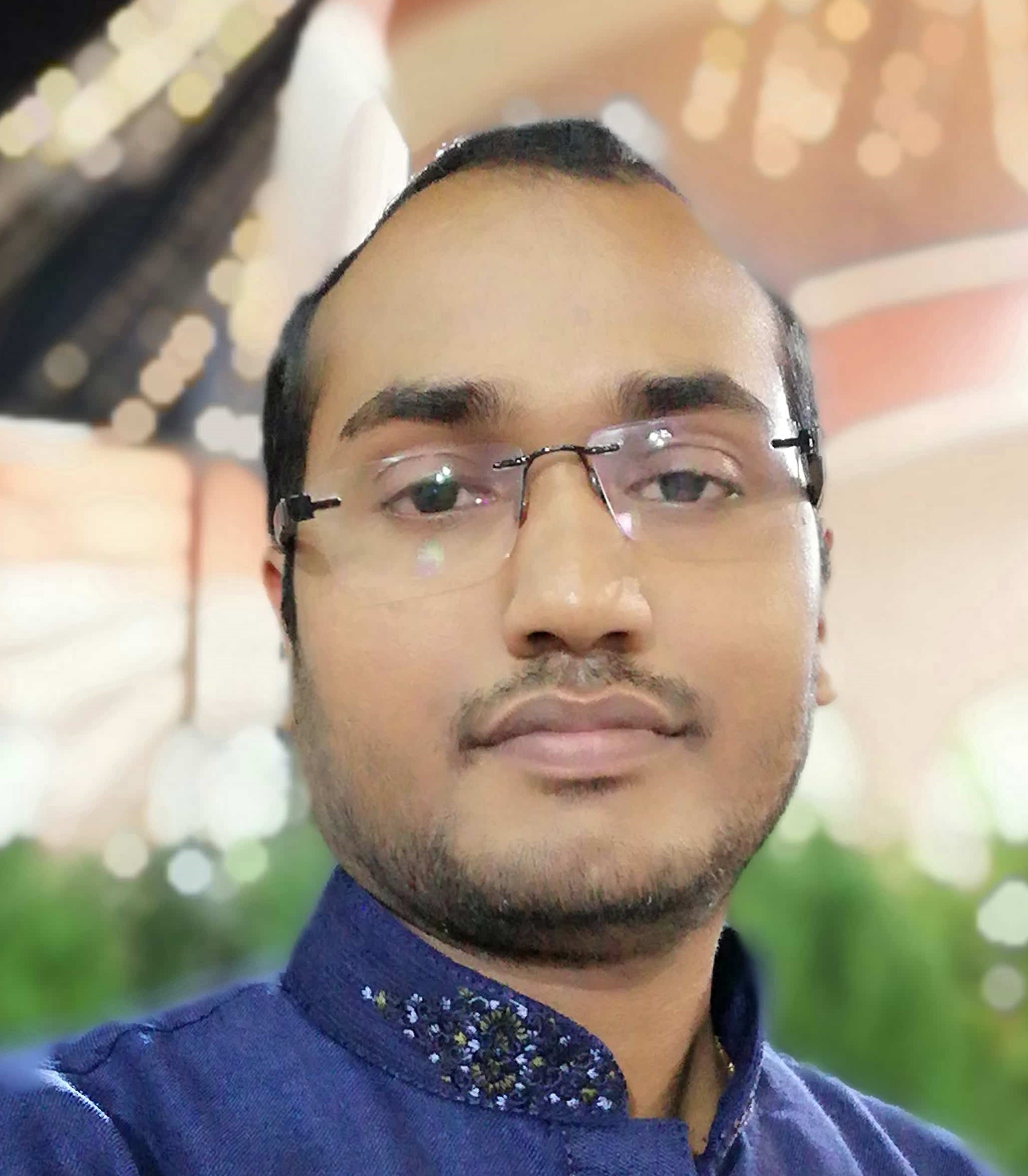
Dr. Ananta Kumar Majee
Associate Professor
Department of Mathematics
Indian Institute of Technology Delhi, Delhi, India
Title of the Talk
Stochastic p-Laplace equation: Large deviation principle and quadratic transportation cost information inequality.
Abstract
In this talk, we discuss the large deviation principle and quadratic transportation cost information inequality for evolutionary p-Laplace equation driven by small multiplicative Brownian noise both in bounded and unbounded domain. The weak convergence approach and the localized time increment estimate (in case of unbounded domain) play a crucial role in establishing the large deviation principle. The Girsanov's transformation and $L^1$-contraction approach (standard approach of $L^2$-uniqueness in case of unbounded domain) are used to establish the quadratic transportation cost information inequality for the strong solution of the underlying problem.
Biodata
Dr. Majee received his Ph.D. degree in mathematics from the TIFR Centre for Applicable Mathematics, Bengaluru, India, in 2015. After that, he did his postdoctoral research at the TIFR Centre for Applicable Mathematics and the Mathematical Institute, University of Tuebingen, Germany. He is currently working as an Associate Professor at Department of Mathematics, Indian Institute of Technology Delhi, Delhi, India. His areas of interests are well-posedness theory and associated probabilistic properties (large deviation principle, central limit theorem, invariant measure, transportation cost inequality etc) for stochastic perturbation of nonlinear degenerate parabolic-hyperbolic PDEs and stochastic p-Laplace type equations, stochastic optimal control in ferromagnetism, and stochastic image processing.
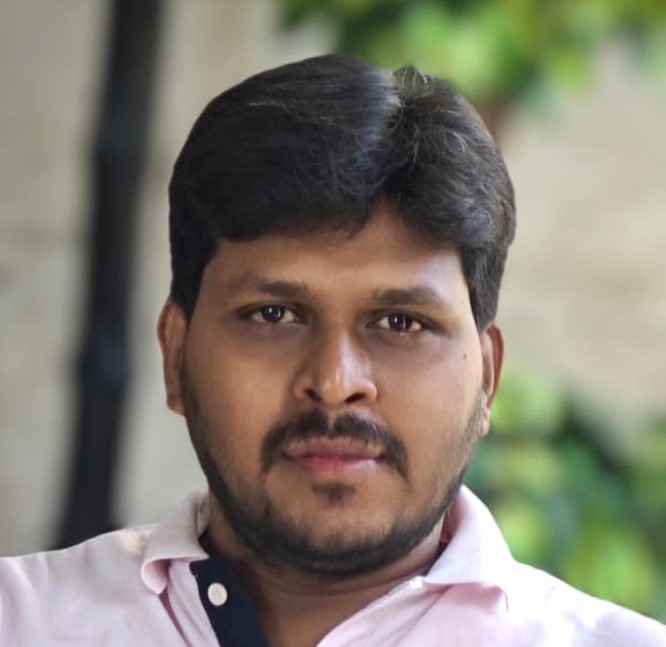
Dr. A. Gowrisankar
Assistant Professor Senior
Department of Mathematics
School of Advanced Sciences
Vellore Institute of Technology, Tamil Nadu, India
Title of the Talk
Unveiling multifractality on dynamical systems
Abstract
The intricate structures and behaviors, especially chaotic dynamics, connect nonlinear dynamical systems with the concept of ‘fractals’. 'Multifractals' is concerned with multiple fractal dimensions for a single set or a function rather than with multiple fractal sets/ functions. The goal of this talk is to discuss the multifractal measure dynamical system, in particular, a tumor-growth model. This investigation is an advancement to the study of fractal dimension to strange attractors, further, it enables us to distinguish the heterogeneous distribution of state trajectories in a broader perspective.
Biodata
Dr. Gowrisankar is presently working as an Assistant Professor Senior in the Department of Mathematics, School of Advanced Sciences, Vellore Institute of Technology (VIT), Vellore, Tamil Nadu, India. He was a Visiting Professor in the Department of Mathematical Sciences "GL Lagrange", Politecnico di Torino, Turin, Italy (Oct, 2024). He was an Institute Post-Doctoral Programme (IPDF) in Indian Institute of Technology Guwahati (IITG, 2017) and received his Ph.D. from The Gandhigram Rural Institute, Tamil Nadu, India. He serves as an Editorial Board member in ‘The European Physical Journal Plus’. He was one among the guest editors for four special issues in reputed journals. His ongoing projects include ‘VIN award’ and ‘SEED’ grant (RGEMS) funded by VIT (2023 – 2025). He is a ‘TARE fellow’ under the Science and Engineering Research Board (SERB) for the period 2024 – 2026. His major research areas include Fractals, Multifractals, Fractional Calculus, Nonlinear Dynamics and Chaos. He has more than 80 publications including research articles, 3 co-authored books and 4 edited volumes.

Dr. Satyajit Pramanik (MNASc)
Assistant Professor
Department of Mathematics
Indian Institute of Technology Guwahati, Guwahati-781 039, Assam, India
Title of the Talk
Miscible fingering instabilities in porous media
Abstract
Miscible displacements in porous media exhibit interesting spatio-temporal patterns. A deeper understanding of the physical mechanisms of these emergent patterns is relevant in several physicochemical processes. In this talk, we will discuss miscible fingering instabilities in porous media with or without chemical reactions applicable to enhanced oil recovery, CO2 sequestration and chromatography separation.
Biodata
Dr. Pramanik is an Assistant Professor in the Department of Mathematics at IIT Guwahati. His research agenda is centered on the development of mathematical models to solve challenging applied-mathematics problems. He works on projects related to flow through soft porous media, miscible viscous fingering with and without chemical reactions, premelting dynamics, and flow through soft porous media. He graduated from IIT Kharagpur in 2011 with a first class in M.Sc. Mathematics degree and was awarded the Institute Silver Medal being adjusted the best graduating student in M.Sc. Mathematics. He earned his PhD in Mathematics at IIT Ropar in 2016 and was awarded the Best Thesis Award in Mathematics (2018). He worked as a postdoctoral research assistant (2019-2020) at Oxford with Chris MacMinn, a postdoc (2016-2019) with John Wettlaufer at the Nordic Institute for Theoretical Physics (NORDITA), Sweden. He has also worked as visiting researchers at TU Wien (2014-2015) and ULB Belgium (2014). His Erdös number is 5.

Dr. Nikhil Pal
Assistant Professor
Department of Mathematics
Siksha-Bhavana, Visva-Bharati, Santiniketan, India
Title of the Talk
Complex dynamical behaviors of nonlinear systems in biparameter spaces
Abstract
A beautiful feature of nature is its complexity. The chaos theory has proved useful in a variety of fields, including physics, chemistry, biology, and economics. This talk aims to highlight how systematic exploration of parameter spaces, even in simple one-dimensional models, can reveal rich dynamical behaviors and organized periodic structures and enable transitions from unfavorable to favorable behaviors through strategic tuning of control parameters.
Biodata
Dr. Pal is an Assistant Professor in the Department of Mathematics, Visva-Bharati, Santiniketan, India, and formerly served as a Scientist-C at the ISRO Satellite Centre, Bangalore. His current research focuses on the complex dynamical behaviors of ecological and eco-epidemiological systems, using tools such as isospike/isoperiodic diagrams and Lyapunov exponent diagrams to analyze both continuous and discrete-time models in parameter spaces. More information about his research is available at https://sites.google.com/site/nikhilpalmath/
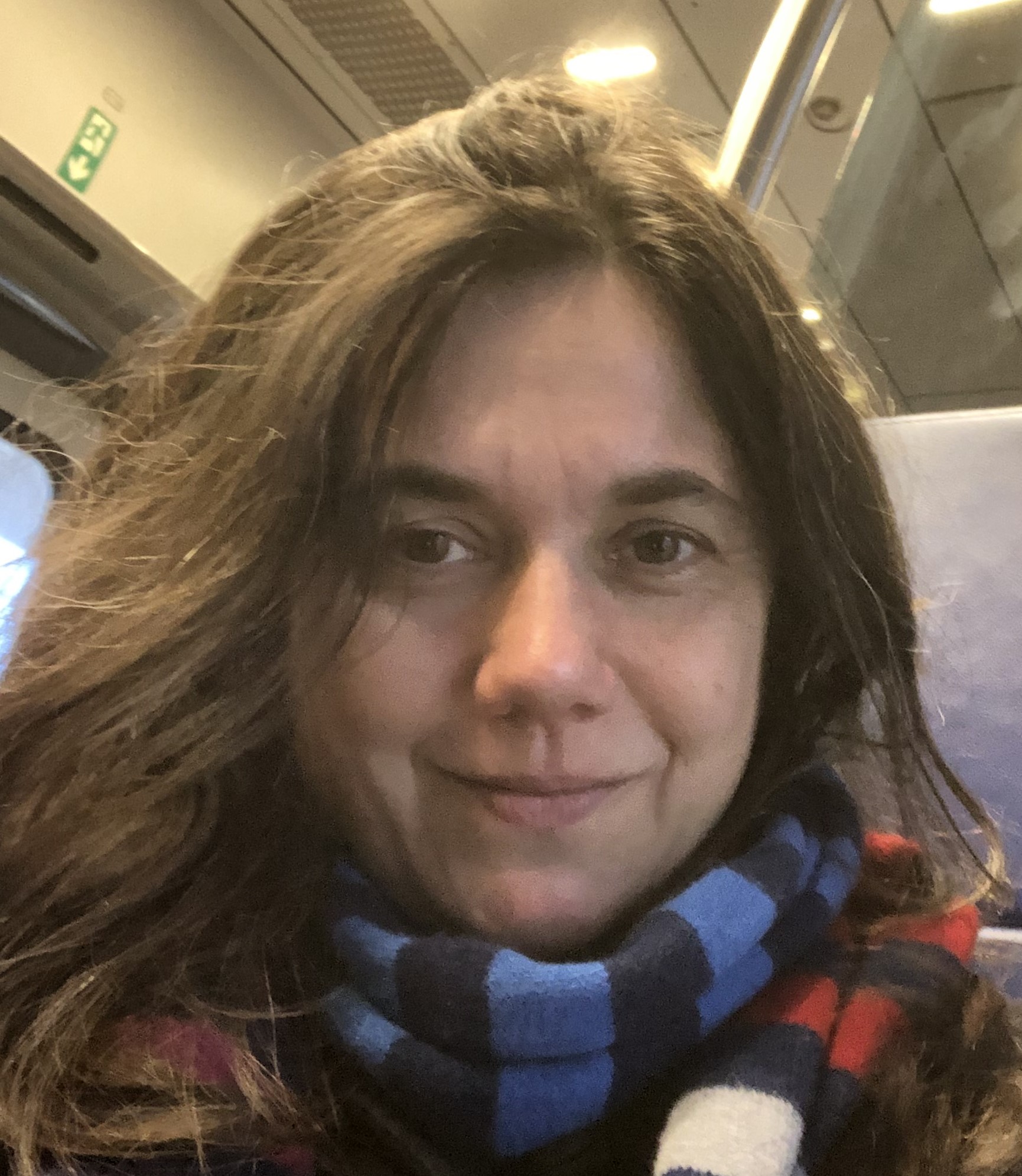
Dr. Giusi Alfano
Assistant Professor
Department of Telecommunications, University of Cassino, Italy
Title of the Talk
Outage multi-antenna capacity: a multi-fold scattering case
Abstract
Earlier motivated by geometrical considerations on the structure of single-user multi-input-multioutput (MIMO) communication channels, the representation of the channel matrix via a product of independent random matrices has been more recently proposed also for pico-cell fading. In consideration of the role played by small-cell based paradigm in the 5G network, we focus in this work on the evaluation of the outage capacity in MIMO channels modeled through random matrix products. The bulk of the present work is devoted to the individuation of a Coulomb gas analog description for the spectrum of the channel matrix at hand. Indeed, both the Rayleigh iid and the independent multiple-cluster scattering channel share distributional invariance properties; however, the latter exhibits a strong coupling among eigenvalues. This is due to the presence of a Meijer function, depending on the number of independent scatterers per cluster, in the joint density of the squared singular values of the channel matrix.
Biodata
Giusi Alfano is assistant professor of Telecommunications at University of Cassino, Italy, and adjunct professor of Calculus at Politecnico di Torino and University of Eastern Piedmont, Italy. She’s a staff member of Cassino research unit in the Marie Curie staff exchange Twin 6G. Her research activities focus on applications of random matrix theory and stochastic geometry to the modeling and analysis of mobile communications systems. She was visiting researcher at Centrale Supéléc Paris in 2009, an ERCIM fellow at NTNU Trondheim in 2011, junior researcher at Technical University of Berlin in 2018 and 2019. She held phd courses on random matrix models in wireless communications at the Technical University of Dresden in 2014, and within the framework of several Marie Curie Doctoral Networks at Central Supelec and Politecnico di Torino from 2017 to the curremt academic year.
Dr. Vignesh D
Research Faculty
Centre for Mathematical Sciences
Dhanalakshmi Srinivasan University, Perambalur – 621 212, Tamil Nadu, India.
Title of the Talk
Nonlinear Dynamics and Multi-Stability in Memristive Hopfield Neural Networks
Abstract
In this talk, the nonlinear dynamic behavior and multi-stability properties of memristive Hopfield neural networks where memory-dependent (memristive) elements regulate synaptic connections, will be addressed. Rich dynamical patterns, such as chaotic oscillations, and coexisting memory states, are presented by the system through nonlinear and heterogeneous activation functions in connection with realistic memductance characteristics. The analysis focuses on the effects of memristive nonlinearity on switching behavior, attractor structure, and convergence. Lyapunov exponents, fixed-point analysis, and bifurcation diagrams under different initial conditions are used to analyze stability and chaotic dynamics. Simulation studies are presented to illustrate that memristive Hopfield neural networks are extremely adaptable for associative memory and neuromorphic computation, supporting multiple stable states with controlled transitions. These results demonstrate the potential of memristive Hopfield models as effective tools for modelling complex brain-inspired memory systems and their applications to neuromorphic computing and understanding neurological disorders.
Biodata
Dr. Vignesh D is currently working as a Research Faculty in Centre for Mathematical Research, Dhanalakshmi Srinivasan University, Perambalur. He served as an assistant professor in the department of Mathematics, School of Engineering and Technology, CMR University, Bangalore. Before joining CMR University, he was a Post- doctoral fellow of national defence university of Malaysia, Malaysia. His research interests include discrete fractional calculus, Neural networks, Chaos theory, and stability theory. He has published a book entitled “Chaotic Dynamics of Fractional Discrete Time Systems” more than 59 research articles in national and international peer reviewed journals.